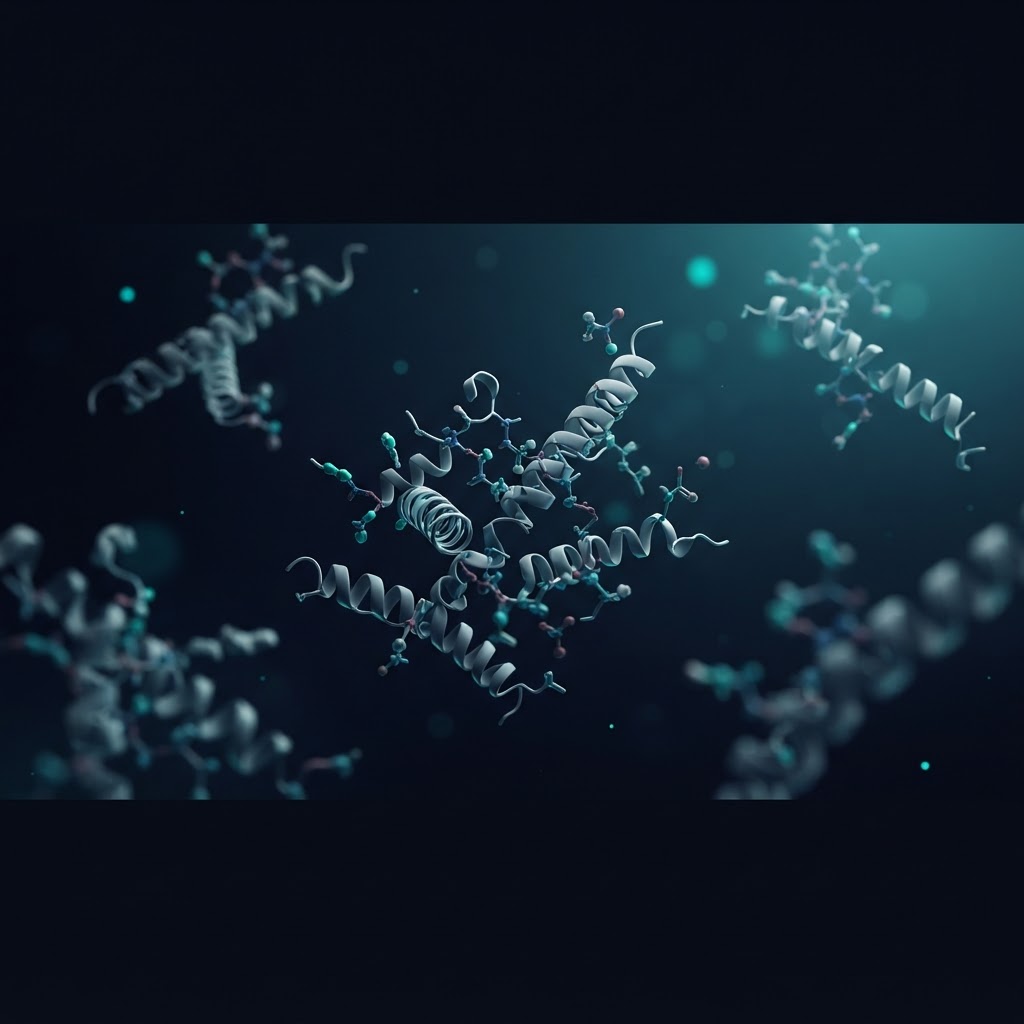
Overview of Therapeutic Approach
Glioblastoma (GBM) remains one of the most challenging primary brain malignancies due to its aggressive nature and the presence of a highly immunosuppressive tumor microenvironment. As highlighted by research from the Dana-Farber Cancer Institute, traditional therapeutic avenues often face significant resistance, prompting investigation into personalized immunotherapies. The NeoVax platform represents a precision-medicine approach that focuses on synthesizing long peptides derived from an individual patient's unique somatic mutations, as reported by CancerNetwork and Endpoints News.
Mechanism of Action and Trial Design
The core objective of the NeoVax vaccine is to prime the immune system to recognize and target specific neoantigens present in a patient's tumor. By utilizing personalized peptide synthesis, the vaccine aims to trigger a high-avidity T-cell response. As detailed by Clinical Trials Arena and via the documentation on ClinicalTrials.gov, the investigative protocol incorporates the PD-1 inhibitor pembrolizumab to help mitigate T-cell exhaustion, which is a common hurdle in brain tumor immunotherapy.
In the Phase 1 trial context, researchers evaluated patients based on the methylation status of the MGMT promoter. This biomarker is frequently analyzed in clinical oncology to understand potential sensitivity to alkylating agents. The experimental design included strategies to minimize the influence of systemic corticosteroids, such as dexamethasone, which are often used to manage peritumoral edema but may concurrently inhibit the desired immune response.
Clinical Observations and Immunogenicity
Data presented at the 2026 ASCO Annual Meeting regarding the NeoVax trial demonstrated that the vaccine could induce measurable, tumor-specific T-cell responses in the study population. According to reports from Journal of Clinical Oncology (JCO), these immune activations were identified in both patients receiving standard chemotherapy and those who did not, suggesting that the vaccine regimen possesses a degree of resilience against the immunosuppressive effects of conventional treatments.
Qualitatively, investigators noted that median overall survival outcomes in the study cohorts appeared favorable when contrasted with historical benchmarks for patients with newly diagnosed GBM. These signals have provided the rationale for continued exploration of neoantigen-based strategies in neuro-oncology.
Limitations & Uncertainty
- Study Design: As an open-label, single-arm Phase 1 trial, the study is fundamentally limited by the absence of a concurrent randomized control arm. Comparisons to historical benchmarks, while informative, are susceptible to selection bias and differences in patient demographics or care standards over time.
- Statistical Power: The small sample size characteristic of early-phase trials prevents the establishment of definitive efficacy or statistical significance regarding long-term survival benefits.
- Manufacturing Complexity: The personalized nature of NeoVax necessitates an intricate and time-intensive manufacturing process. The scalability and turnaround time required to produce these peptides represent significant logistical hurdles for widespread clinical implementation.
- Preliminary Nature: These findings should be viewed as exploratory. The transition from Phase 1 safety and immunogenicity signals to validated clinical endpoints requires robust, multi-center, randomized Phase 2 and 3 trials.
What this means
The findings regarding NeoVax indicate that personalized peptide vaccination is a viable modality for inducing immune-system engagement in the highly challenging context of glioblastoma. By focusing on individualized neoantigens, the approach attempts to overcome the relative lack of immunogenicity traditionally associated with GBM. However, clinical development is in its nascent stages. The future trajectory for this therapy involves determining whether these immunogenic signals can be translated into statistically robust survival improvements within a larger, randomized clinical setting. Stakeholders in the oncological community continue to monitor these developments to see if personalized vaccines can effectively modulate the intracranial tumor microenvironment in a sustained manner.